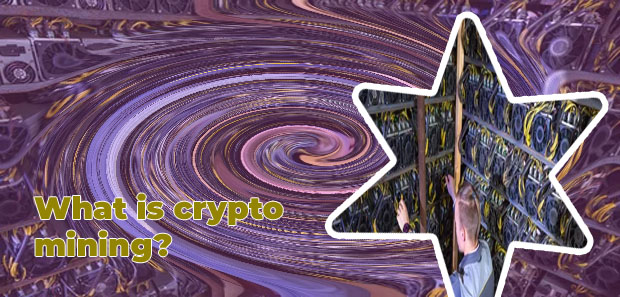
Bitcoin mining is a complex process that involves solving mathematical equations in order to validate transactions on the blockchain and create new bitcoins. For those new to the world of cryptocurrency, understanding the ins and outs of mining for bitcoin can be overwhelming. To help demystify this concept, we have compiled a list of four articles that provide in-depth explanations and insights into what it means to mine for bitcoin. These articles cover various aspects of bitcoin mining, including the technical processes involved, the equipment needed, and the environmental impact of mining. By reading these articles, readers can gain a better understanding of this crucial aspect of the cryptocurrency industry and how it plays a role in the creation and maintenance of the bitcoin network.
The Ultimate Guide to Bitcoin Mining: How Does It Work?
Bitcoin mining is a complex process that is essential for the functioning of the popular cryptocurrency. In simple terms, mining is the process of validating transactions on the Bitcoin network and adding them to the public ledger known as the blockchain. Miners are rewarded with newly minted Bitcoins for their efforts in solving complex mathematical problems. This process helps secure the network and ensure the integrity of transactions.
To start mining Bitcoin, you need specialized hardware known as ASIC miners, powerful computers designed specifically for mining Bitcoin. These machines are highly efficient at solving the cryptographic puzzles necessary to validate transactions. Additionally, miners need to join a mining pool to increase their chances of successfully mining a block and earning rewards.
One important aspect of Bitcoin mining is the concept of mining difficulty. The difficulty level adjusts regularly to ensure that new blocks are created roughly every 10 minutes. As more miners join the network, the difficulty level increases, making it harder to mine Bitcoin.
Feedback: As a resident of World, John Smith from Paris, France, shared his experience with Bitcoin mining. He mentioned that while the initial investment in mining hardware can be expensive, the potential rewards are worth it in the long run. He also highlighted the importance of staying up to date with the latest developments in the mining industry to optimize mining profitability. John recommends
A Beginner's Guide to Bitcoin Mining Equipment
Bitcoin mining has become an increasingly popular activity for those looking to enter the world of cryptocurrency. However, for beginners, understanding the necessary equipment can be a daunting task.
When it comes to Bitcoin mining, having the right equipment is crucial for success. It is important to invest in an efficient mining rig that can handle the complex calculations required to mine Bitcoin effectively. One of the most important components of a mining rig is the ASIC (Application-Specific Integrated Circuit) miner. These devices are specifically designed for mining cryptocurrencies like Bitcoin and offer significantly higher hash rates compared to traditional GPUs.
In addition to the ASIC miner, other essential equipment includes a power supply unit, cooling fans, and a reliable internet connection. These components work together to ensure that your mining rig operates smoothly and efficiently.
For beginners looking to get started with Bitcoin mining, understanding the equipment needed is the first step towards building a successful mining operation. By investing in the right equipment, miners can maximize their profits and contribute to the security and stability of the Bitcoin network.
In conclusion, a beginner's guide to Bitcoin mining equipment is essential for those looking to venture into the world of cryptocurrency mining. By understanding the necessary equipment and how it works, beginners can set themselves up for success in this exciting and potentially lucrative industry.
The Environmental Impact of Bitcoin Mining: What You Need to Know
As Bitcoin continues to gain popularity and mainstream acceptance, concerns over its environmental impact have also been on the rise. Mining for Bitcoin, the process by which new coins are created and transactions are verified, requires a significant amount of energy. This energy consumption has led to debates about the sustainability of the cryptocurrency and its long-term effects on the environment.
One key aspect of Bitcoin mining that contributes to its environmental impact is the use of high-powered computers to solve complex mathematical problems. These computers require a substantial amount of electricity to operate, leading to a large carbon footprint. In fact, a study published in the journal Nature Sustainability estimated that the annual carbon emissions from Bitcoin mining could reach 22.9 to 22.9 million metric tons by 2024.
Additionally, the mining process also generates electronic waste, as outdated mining equipment is often discarded and replaced with newer, more powerful models. This electronic waste poses a significant environmental threat, as the components of these devices can be toxic and difficult to recycle.
To address these concerns, it is important for Bitcoin miners to consider more sustainable practices, such as utilizing renewable energy sources like solar or wind power. Additionally, implementing energy-efficient mining equipment and recycling old devices can help reduce the environmental impact of Bitcoin mining. It is also crucial for policymakers and
Bitcoin Mining Pools: How They Work and Why You Should Consider Joining One
Bitcoin mining pools are a crucial aspect of the cryptocurrency mining ecosystem. They allow individual miners to pool their resources together in order to increase their chances of successfully mining a block and receiving a reward.
The way mining pools work is quite simple. Miners contribute their computational power to the pool, which then collectively works to solve cryptographic puzzles and validate transactions on the blockchain. Once a block is successfully mined, the rewards are distributed among all the miners in the pool based on their contribution.
There are several reasons why joining a mining pool is beneficial. Firstly, it allows miners to receive more frequent payouts compared to solo mining. This is because mining pools have a higher chance of solving blocks faster due to the combined computational power of all the participants. Additionally, mining pools offer a more stable income stream, as miners are not reliant on their own luck to mine a block.
Furthermore, joining a mining pool provides a sense of community among miners. Participants can share knowledge, resources, and support each other in the mining process. This collaborative approach can be especially helpful for novice miners looking to learn from more experienced individuals.
In conclusion, joining a mining pool is a smart choice for anyone looking to optimize their mining efforts and increase their chances of earning rewards. By pooling resources together, miners can achieve greater