Understanding Etherum Gas Price: 3 Articles to Help You Navigate the World of Cryptocurrency Transactions
How to Lower Ethereum Gas Fees: Tips and Tricks for Crypto Traders
Cryptocurrency traders are constantly looking for ways to optimize their trading strategies and maximize profits. One key aspect of trading Ethereum is managing gas fees effectively. Gas fees are the transaction costs associated with executing transactions on the Ethereum network, and they can fluctuate depending on network congestion and demand.
To lower Ethereum gas fees, traders can employ several tips and tricks. One effective strategy is to monitor gas prices and wait for periods of lower congestion to execute transactions. Traders can also utilize gas limit and gas price optimization tools to ensure they are paying the most cost-effective fees for their transactions. Another helpful tip is to batch transactions together to reduce overall fees.
Furthermore, using layer 2 solutions like zkSync or Optimism can significantly lower gas fees and speed up transaction times. These solutions allow users to offload transactions onto a separate network, reducing congestion on the Ethereum mainnet.
In conclusion, lowering Ethereum gas fees is crucial for crypto traders looking to optimize their trading strategies and save on transaction costs. By implementing the tips and tricks mentioned above, traders can navigate the volatile world of cryptocurrency trading more efficiently and profitably.
Exploring the Factors Influencing Ethereum Gas Prices
Ethereum gas prices have been a hot topic of discussion among cryptocurrency enthusiasts and investors. The cost of gas on the Ethereum network plays a crucial role in determining the speed and cost of transactions. Understanding the factors that influence gas prices can help users navigate the volatile world of decentralized finance more effectively.
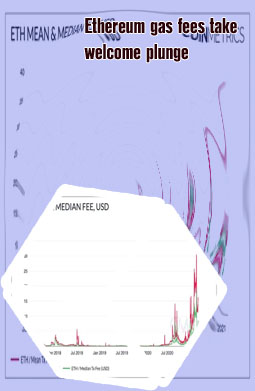
One of the primary factors that affect Ethereum gas prices is network congestion. During times of high demand, such as when there are many transactions being processed simultaneously, gas prices tend to spike. This is because users compete to have their transactions prioritized by miners, who are incentivized to process transactions with higher gas fees.
Another factor that can impact gas prices is the complexity of a transaction. Smart contract executions and other intricate operations require more computational resources, leading to higher gas costs. Additionally, the price of Ethereum itself can also influence gas prices, as gas fees are typically denominated in ETH.
To mitigate the impact of high gas prices, users can consider adjusting their gas limits and gas prices when sending transactions. They can also monitor network congestion levels to choose the most optimal times to transact. Additionally, using layer 2 solutions such as rollups can help reduce gas costs significantly.
Strategies for Predicting and Managing Ethereum Gas Costs
none