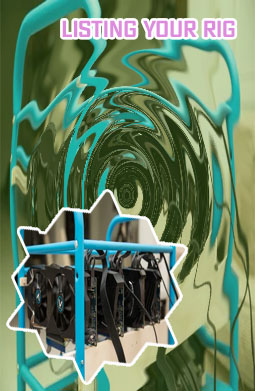
Bitcoin mining rigs are essential tools used to validate transactions on the blockchain network and earn rewards in the form of bitcoins. These rigs are specialized machines that require powerful hardware to perform complex mathematical calculations. To understand the concept of a bitcoin mining rig better, we have compiled a list of three articles that delve into the intricacies of how they work and what is required to set one up effectively.
The Ultimate Guide to Building a Bitcoin Mining Rig
none
How to Choose the Best Hardware for Your Bitcoin Mining Rig
none
Optimizing Your Bitcoin Mining Rig for Maximum Efficiency
As the popularity of Bitcoin mining continues to rise, it is crucial for miners to optimize their mining rigs for maximum efficiency. By fine-tuning various aspects of your setup, you can increase your mining performance, reduce energy consumption, and ultimately maximize your profits.
Here are some key tips to help you optimize your Bitcoin mining rig:
-
Choose the right hardware: Investing in high-quality hardware is essential for optimizing your mining rig. Look for energy-efficient GPUs or ASIC miners that offer high hash rates to ensure maximum mining efficiency.
-
Manage your cooling system: Overheating can significantly impact the performance of your mining rig. Make sure your rig is properly ventilated and consider investing in additional cooling solutions such as fans or liquid cooling systems to keep temperatures in check.
-
Optimize your mining software: Utilize mining software that allows you to adjust mining settings such as clock speeds, power limits, and voltage to achieve the best performance while minimizing energy consumption.
-
Join a mining pool: Joining a mining pool can help increase your chances of solving complex algorithms and earning rewards more consistently. Pooling resources with other miners can also reduce the overall workload on your rig.
-
Monitor and adjust regularly: Keep a close eye on your mining rig's performance metrics and make adjustments as